The PANGEA White Paper is out!
See below for the PANGEA white paper
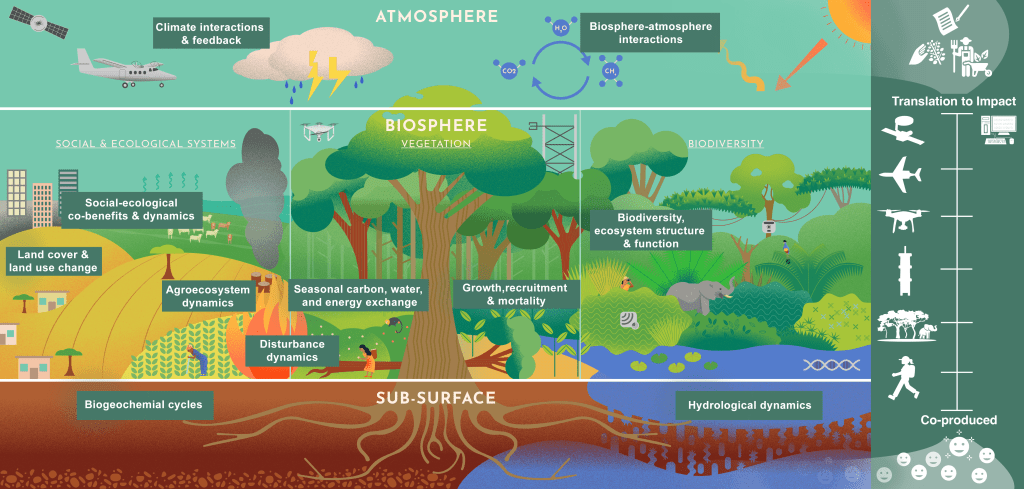
Final white paper
6-page summary
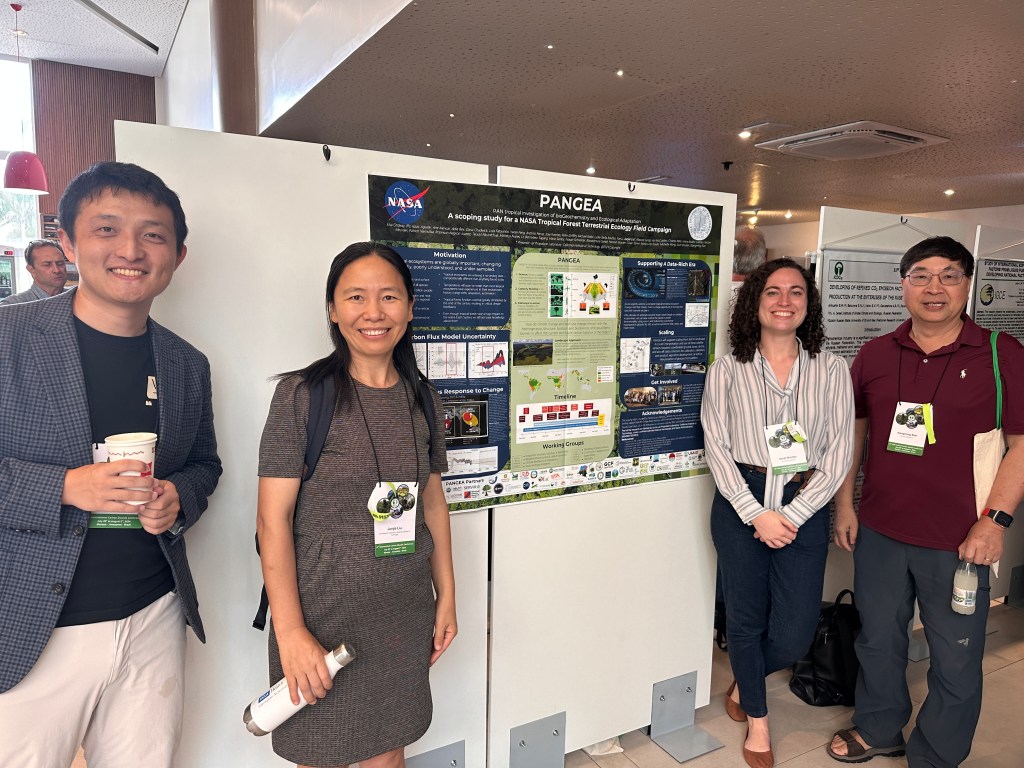
PANGEA Poster at ICDC11
Come by the PANGEA poster and meet our Climate Feedbacks & Interactions Leaders Yue Li (UCLA), Junjie Liu (JPL), Sarah Worden (UCLA/JPL), and Xiangming Xiao (OU)!
The 11th International Carbon Dioxide Conference is a quadrennial gathering of carbon cycle and climate researchers from around the world to exchange knowledge and insights, bridge scientific innovations, and inform policy aimed at carbon mitigation and management.
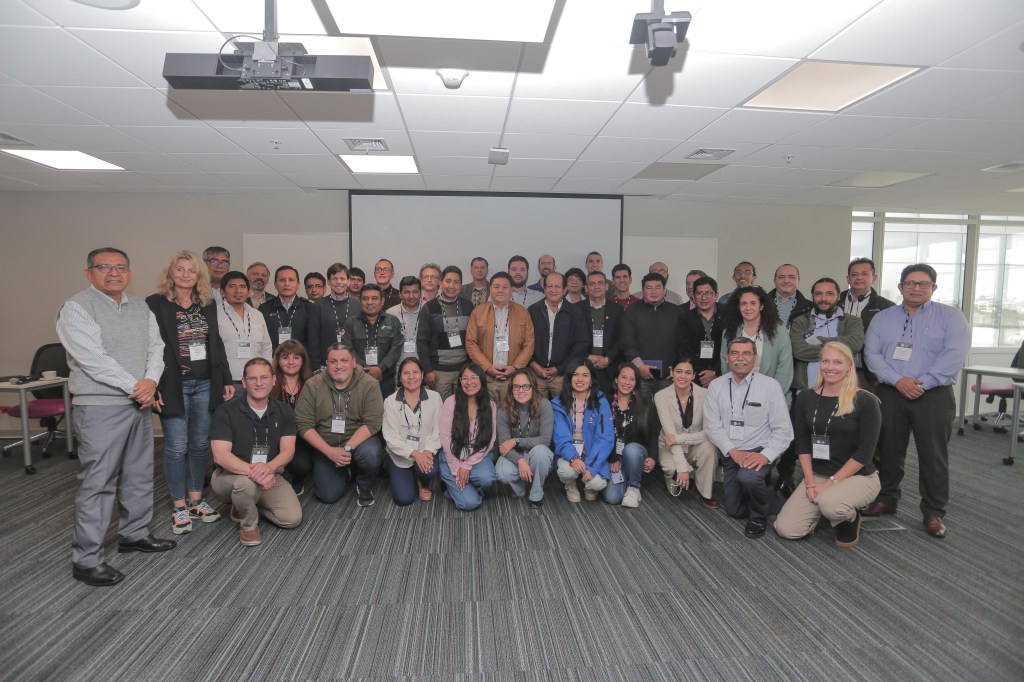
PANGEA & GCFTF Workshop
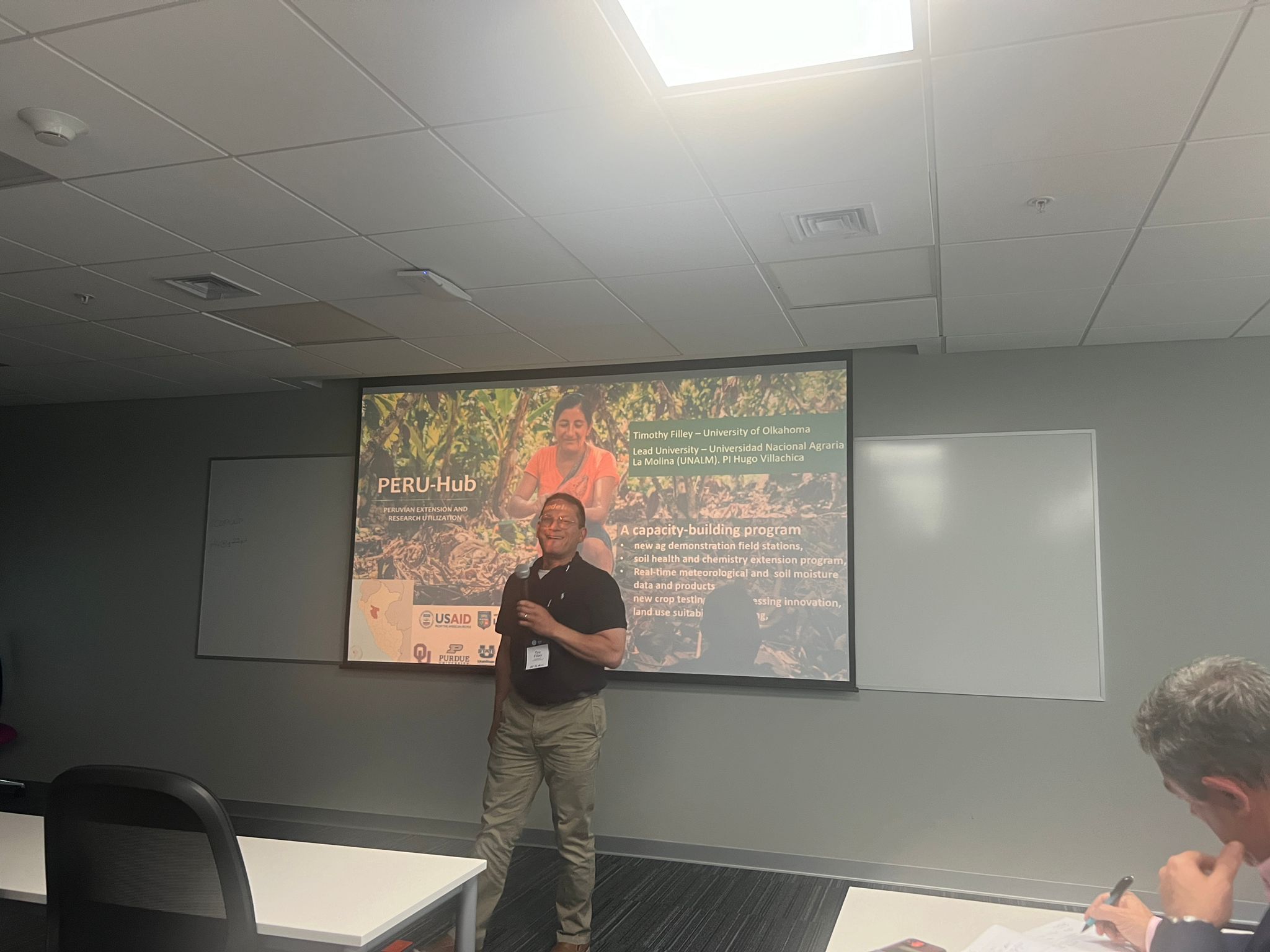
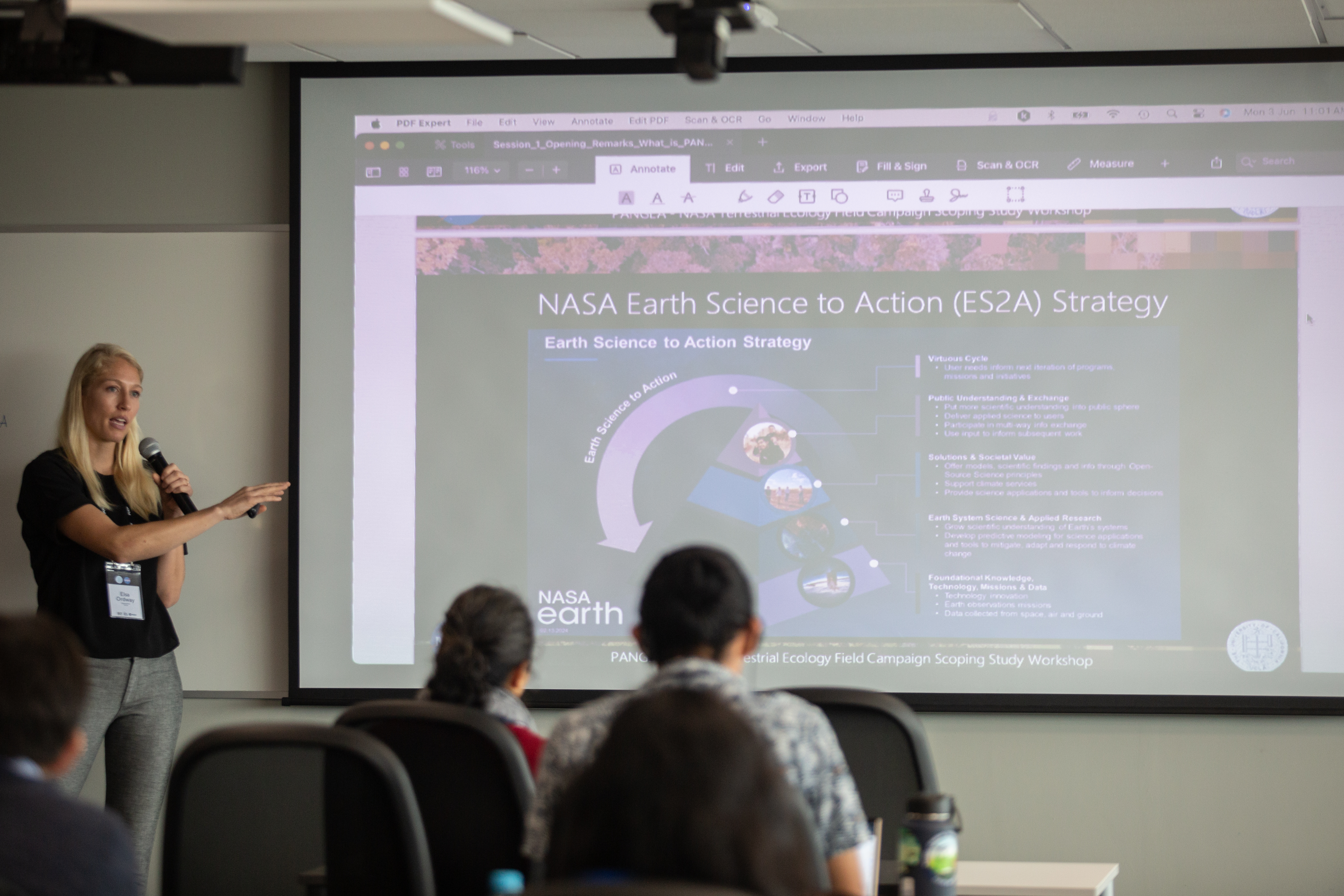
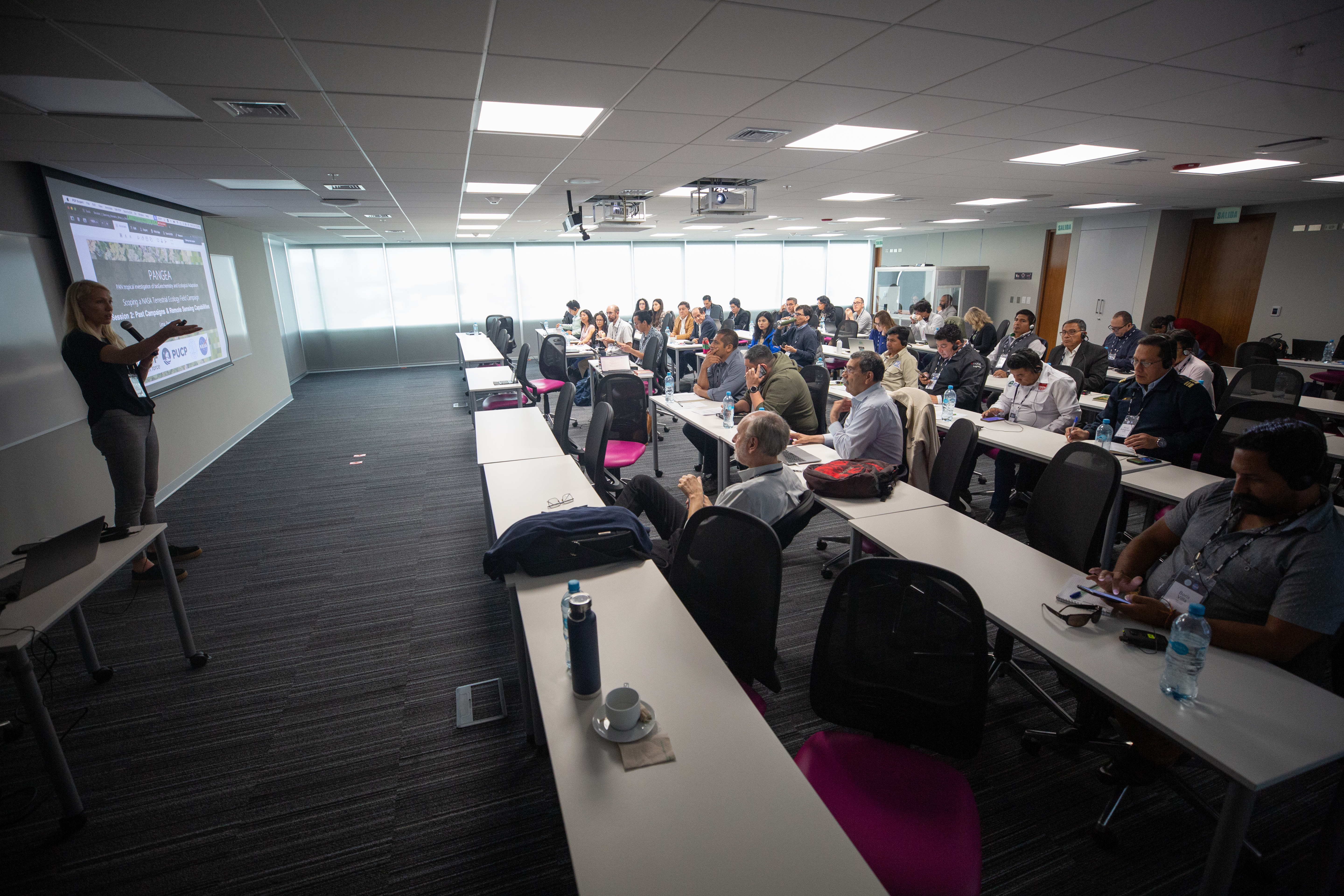
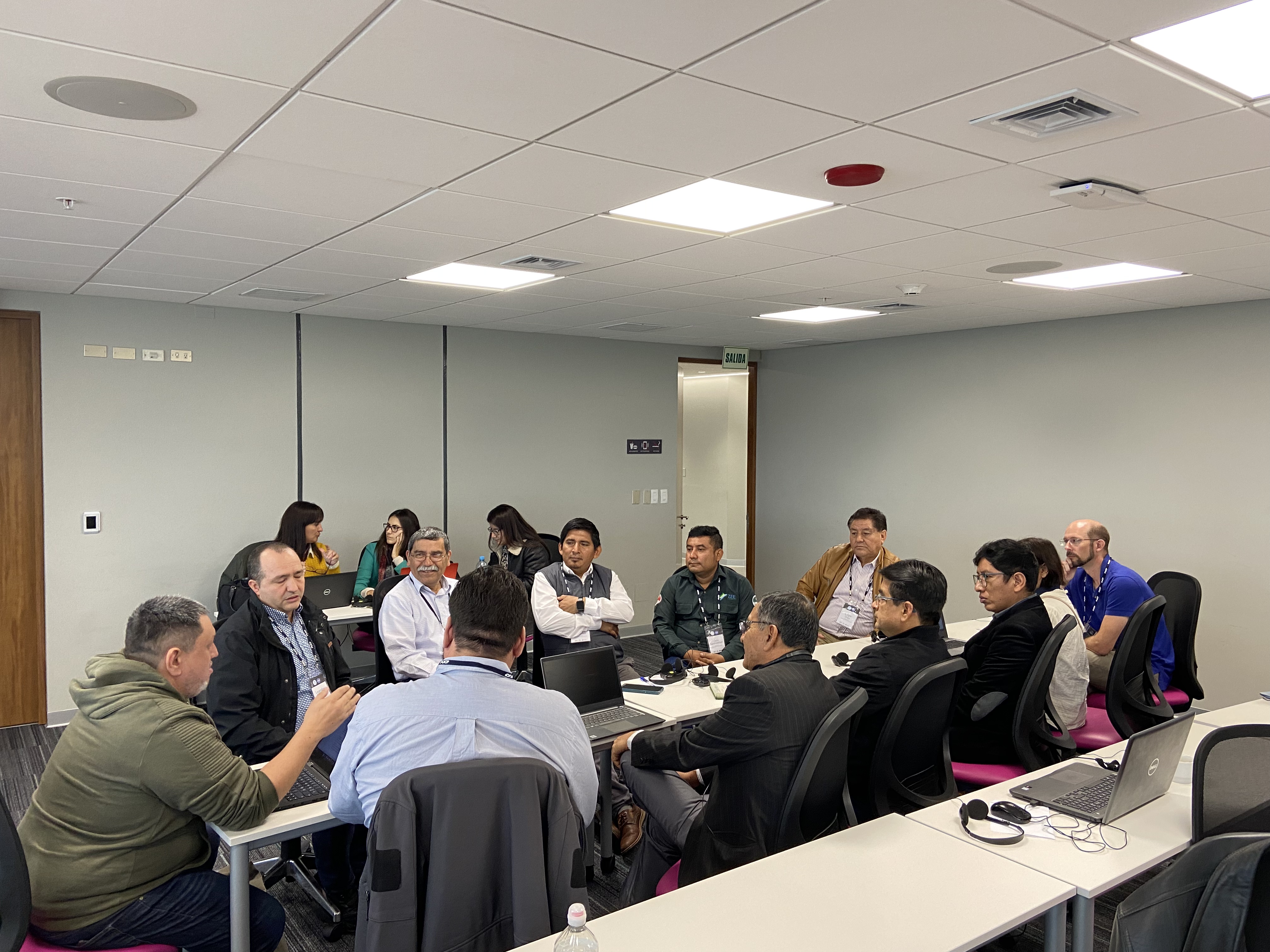
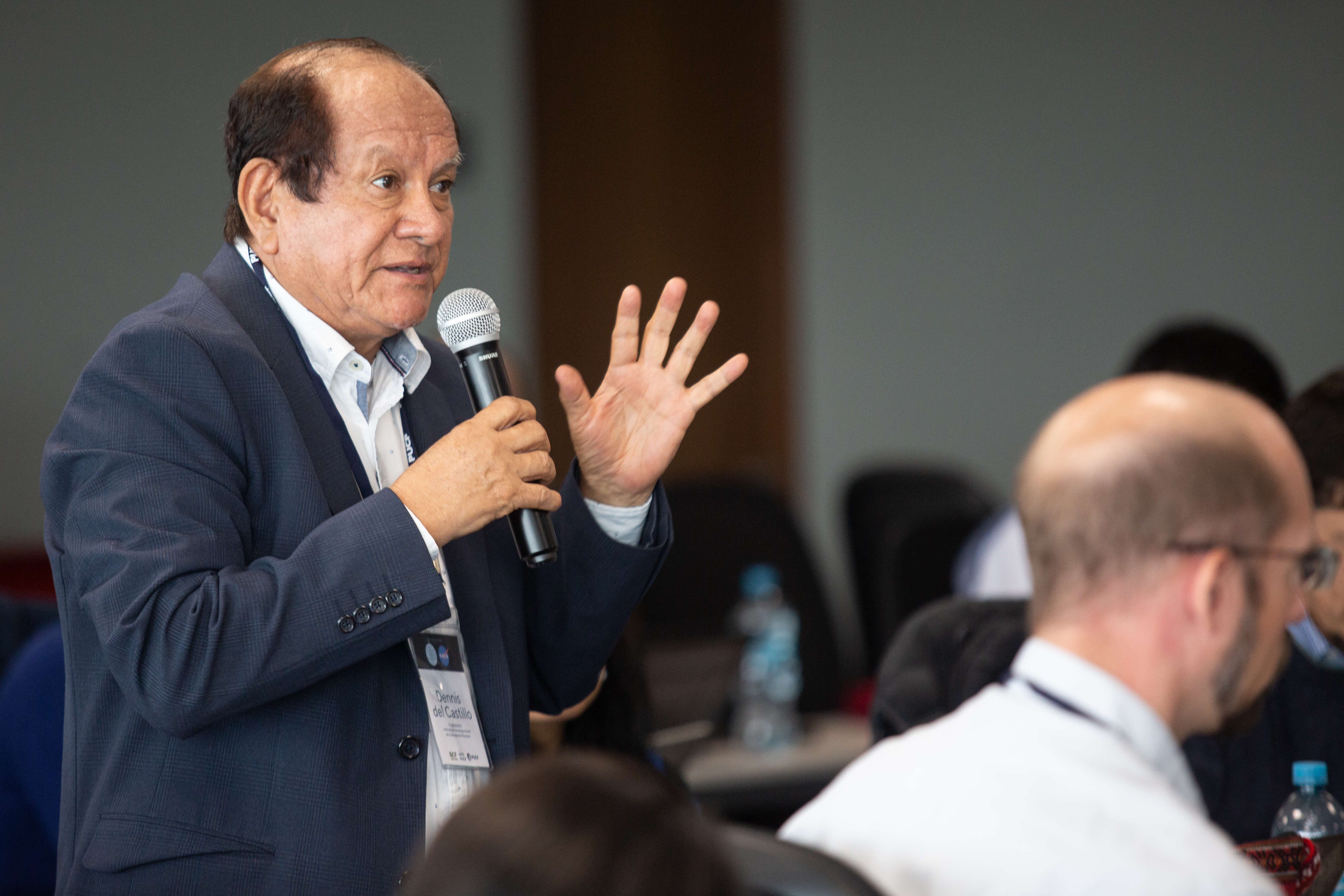
The PANGEA and Governor’s Climate and Forests Task Force (GCFTF) Scoping Workshop was hosted at the Pontifical Catholic University of Peru (PUCP) Cultural Center in the capital city of Lima, Peru on June 3-4, 2024. The in-person workshop with simultaneous English and Spanish interpretation was attended by 60 participants including scientists, practitioners, and regional government representatives from the United States, Peru, Bolivia, Peru, Colombia, Ecuador, and Brazil. The unique workshop participant list represented diverse, transdisciplinary experience and expertise that laid the foundation for exciting interdisciplinary discussions on how a NASA Terrestrial Ecology Field Campaign in the Pan-Amazonian tropics can advance global tropical science and user applications.
The airport in Peru was shut down due to technical difficulties on the evening before the first day of the workshop, causing delayed travel for many participants and organizers that required last-minute changes to the agenda. Despite these challenges, participants arrived with enthusiasm, ready to engage in sessions including overviews of the PANGEA scoping campaign, historical and ongoing NASA campaigns, and breakout group discussions on regional involvement and training opportunities. Discussions during breakout sessions emphasized the need for precise monitoring systems, integrating socioeconomic factors with biogeochemical cycles, and addressing the unique needs of different ecosystems such as coastal and high-elevation areas. Participants emphasized the importance of strengthening collaboration between governments and academic institutions, investing in education and technological capacity, and engaging local communities and traditional knowledge in research efforts. Participants underscored the importance of aligning research agendas with regional and national priorities, enhancing the translation and communication of scientific knowledge, and developing long-term, sustainable research initiatives to address pressing environmental challenges effectively.
The workshop agenda, presentation materials, and summary can be accessed on the Past Activities section of the Scoping Activities page.


Media Coverage
gcftf.org
PANGEA Workshop in Peru – Combining Technical and Policy Needs with Scientific Advancements in Remote Sensing
View Story – 06.2024
PANGEA at Congo Basin Forest Partnership 20th MoP
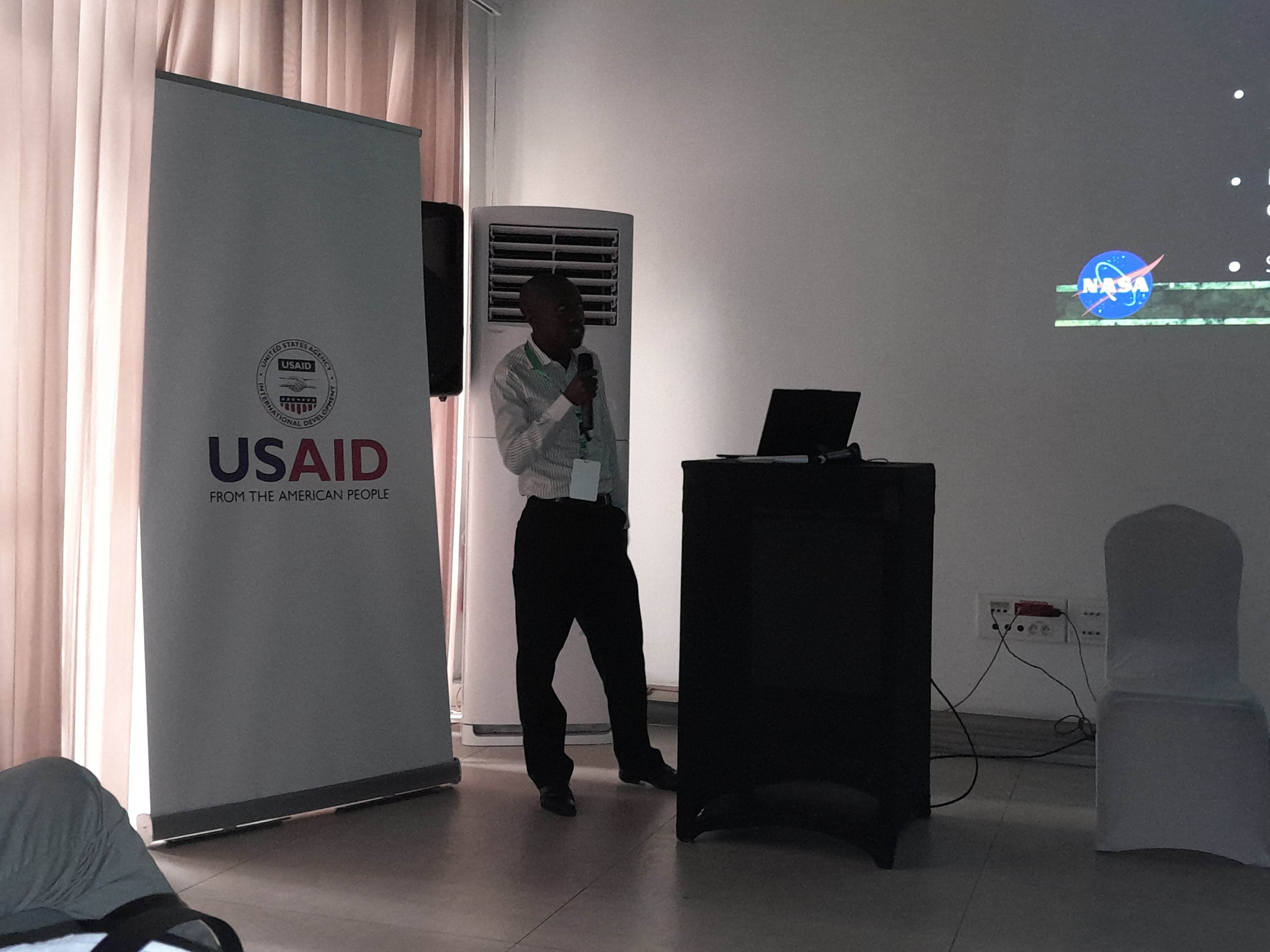
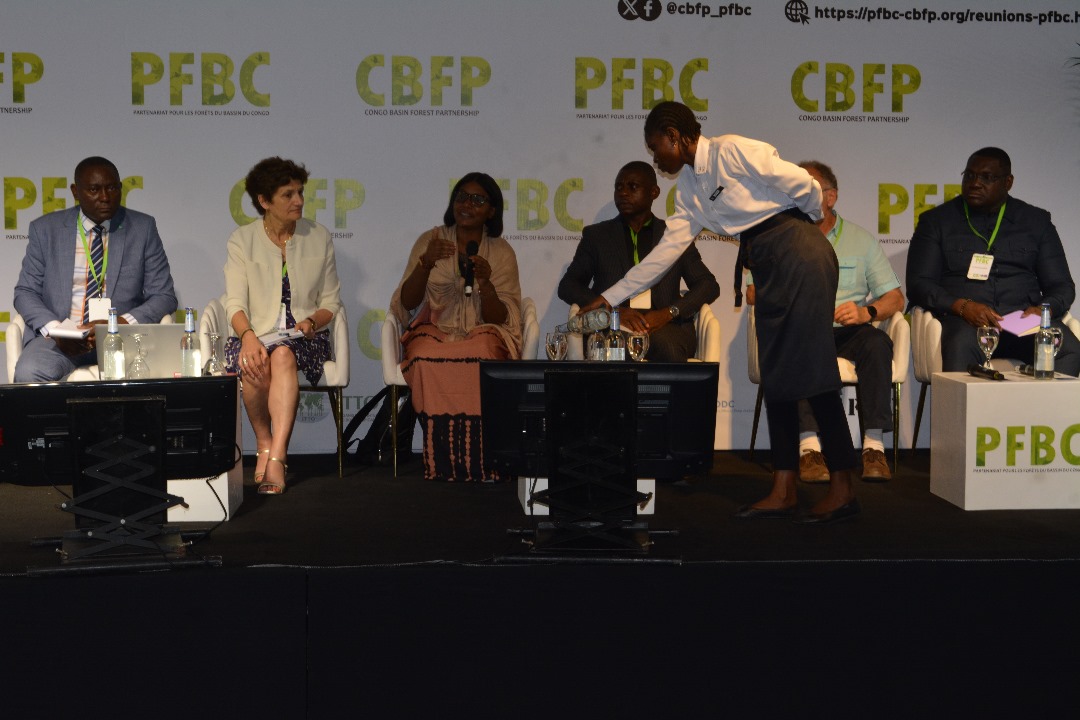
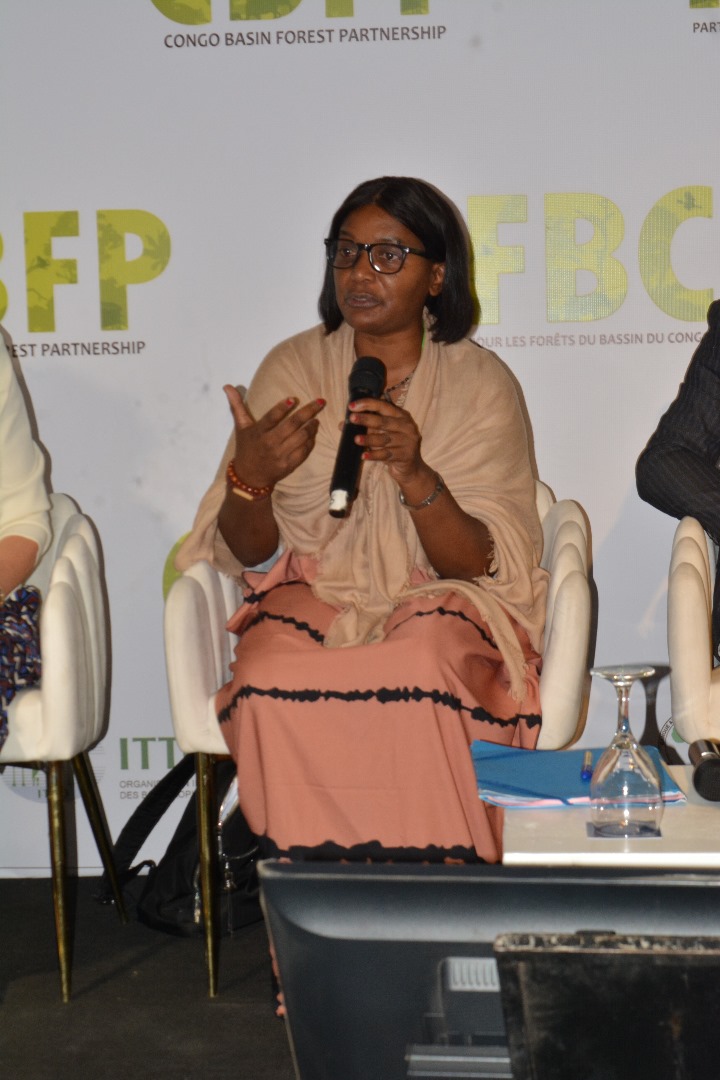
The PANGEA Scoping Campaign had a strong presence at the 20th Meeting of the Parties of the Congo Basin Forest Partnership from May 31 – June 5, 2024 in Kinshasa, DRC.
The conference exchanges between civil servants, scientists, and philanthropic organizations in the Congo Basin provided a special opportunity to address the need for strengthening collaborative partnerships in the region and pan-tropically. A PANGEA side event hosted in partnership with the US Forest Service and the Central Africa Regional Program for the Environment (CARPE) showcased synergistic remote sensing research activities from Congo Basin countries, the United States, and Europe. The US Forest Service International Programs through various USG programs is supporting Congo basin countries in their efforts to sustainably manage forest landscapes and to reduce greenhouse gas (GHG) emissions thereby contributing to the improvement of livelihoods, conservation of biodiversity and stabilization of the global climate. Part of this support involves deploying satellite technology to measure, monitor and provide data and information that will increase the understanding of the complex and diverse forest ecosystem and its interaction with human and climate. In collaboration with other US-based academic and research institutions and institutions within the Congo basin countries, methods are being developed to map and quantify carbon stocks in peatlands, to assess forest cover change and estimate associated GHG emissions; and determine estimates of carbon stock per unit area (emission factors) in different forest biomes.
The workshop agenda, presentation materials, and summary can be accessed on the Past Activities section of the Scoping Activities page.
Media Coverage
Top Congo FM
Interview in French with Florence Palla (OFAC) on reflections from the CBFP conference and perspectives in the Congo Basin
Watch Recording – 06.05.2024
PANGEA at Manaus Climate Workshop
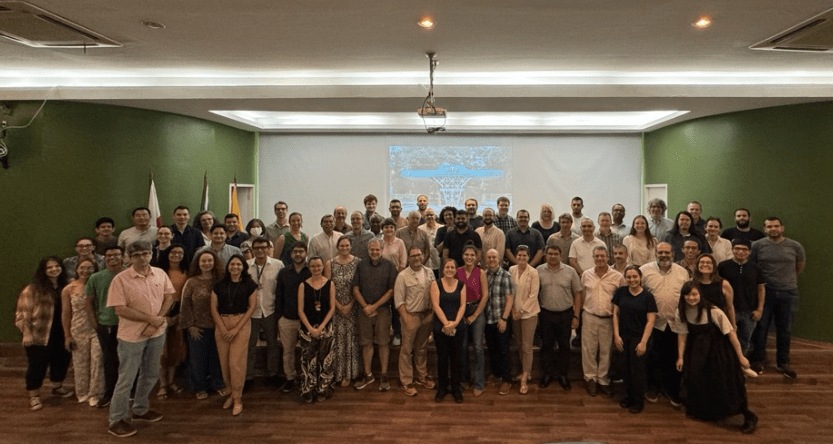
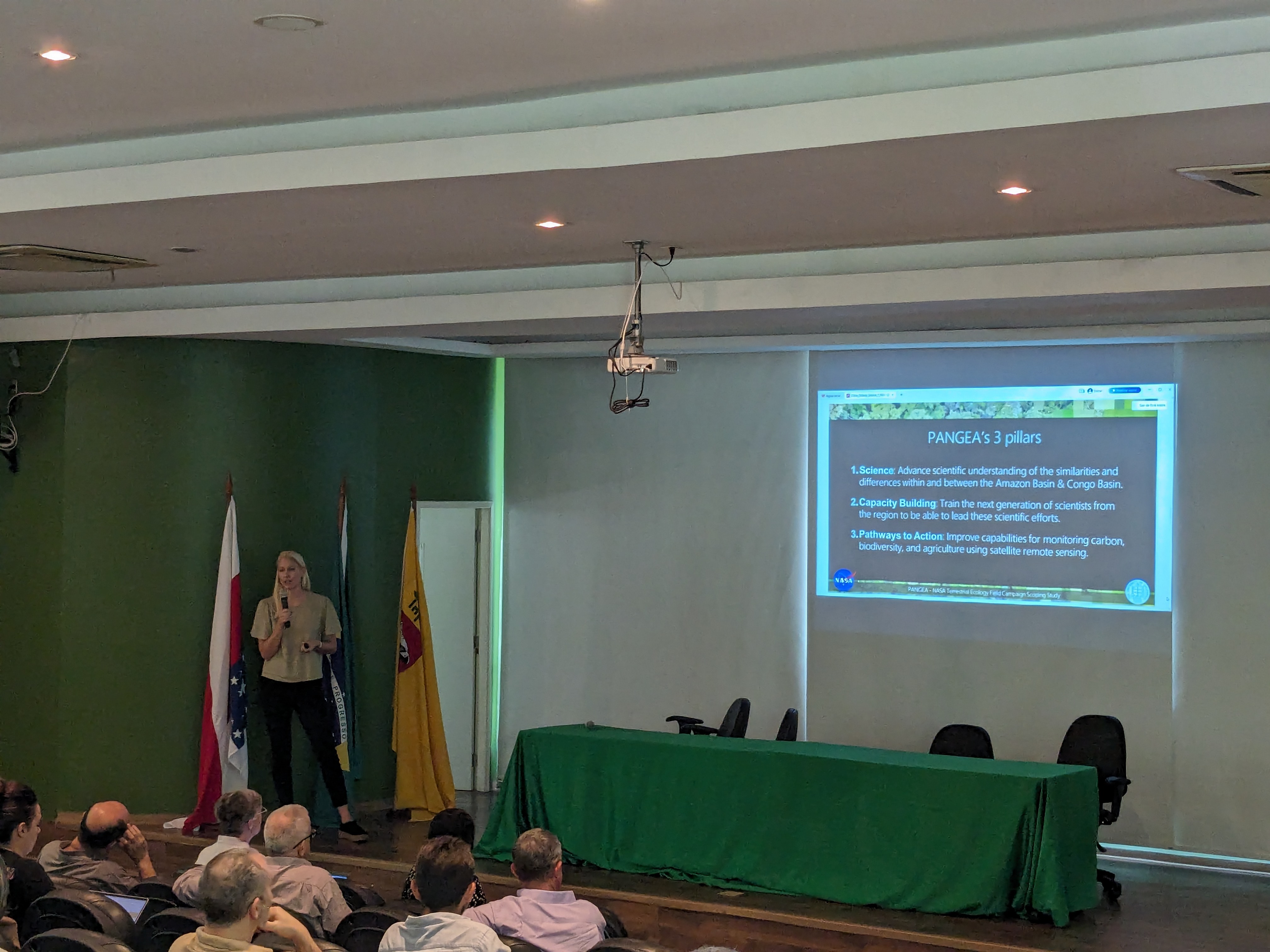
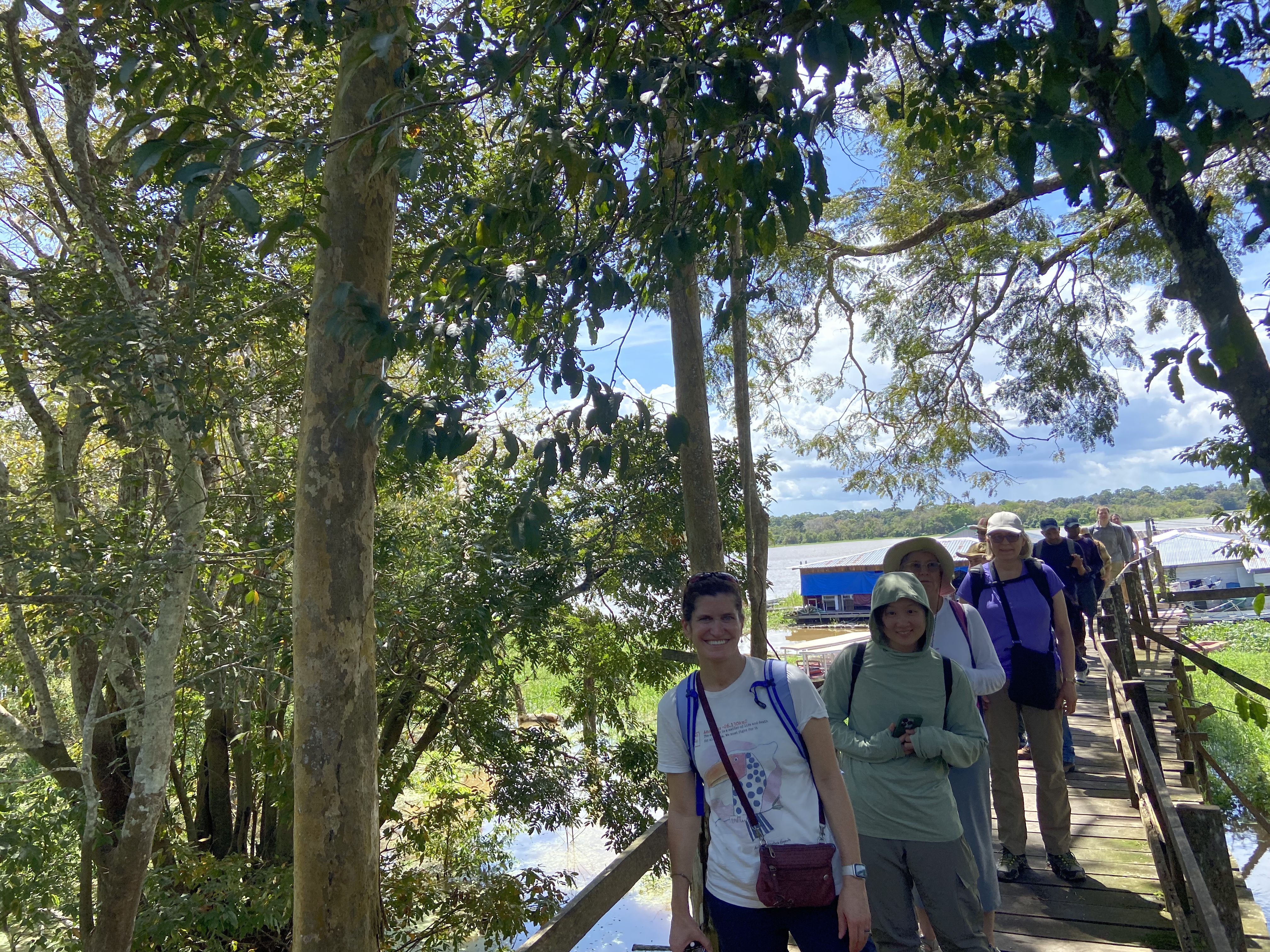
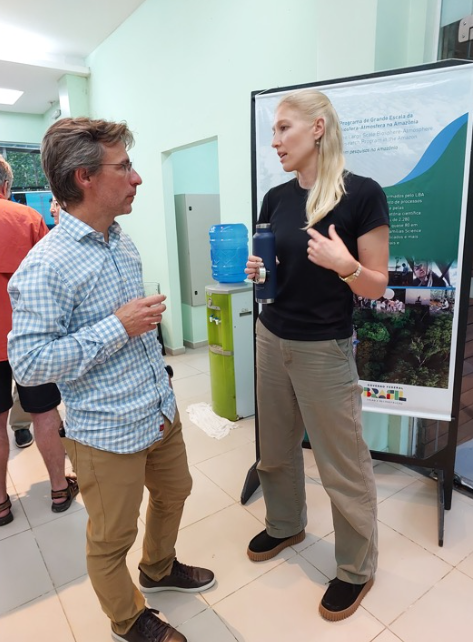
The PANGEA Scoping Campaign team joined a Workshop on impacts of unusual weather events and climate anomalies on Amazon rainforest at the National Institute of Amazonian Research campus in Manaus, State of the Amazonas, Brazil from May 20-22, 2024.
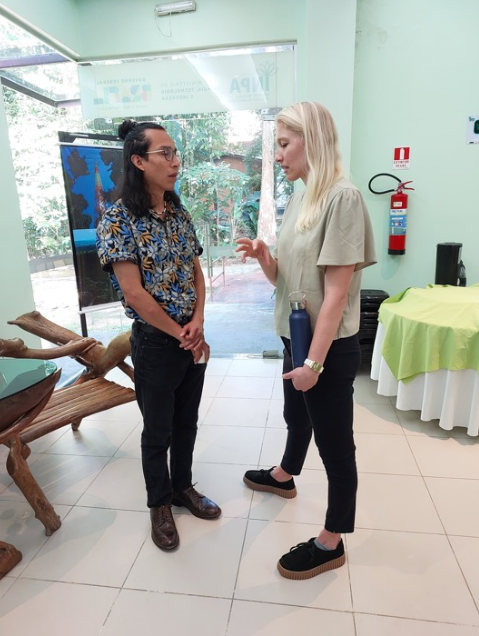
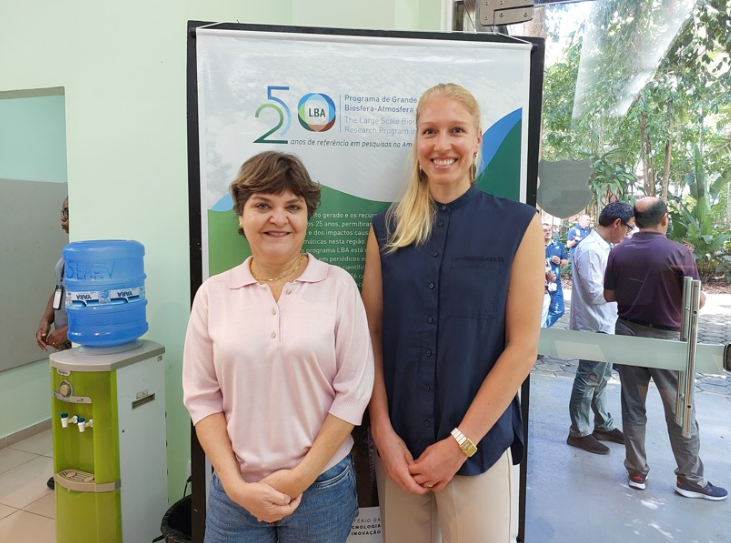
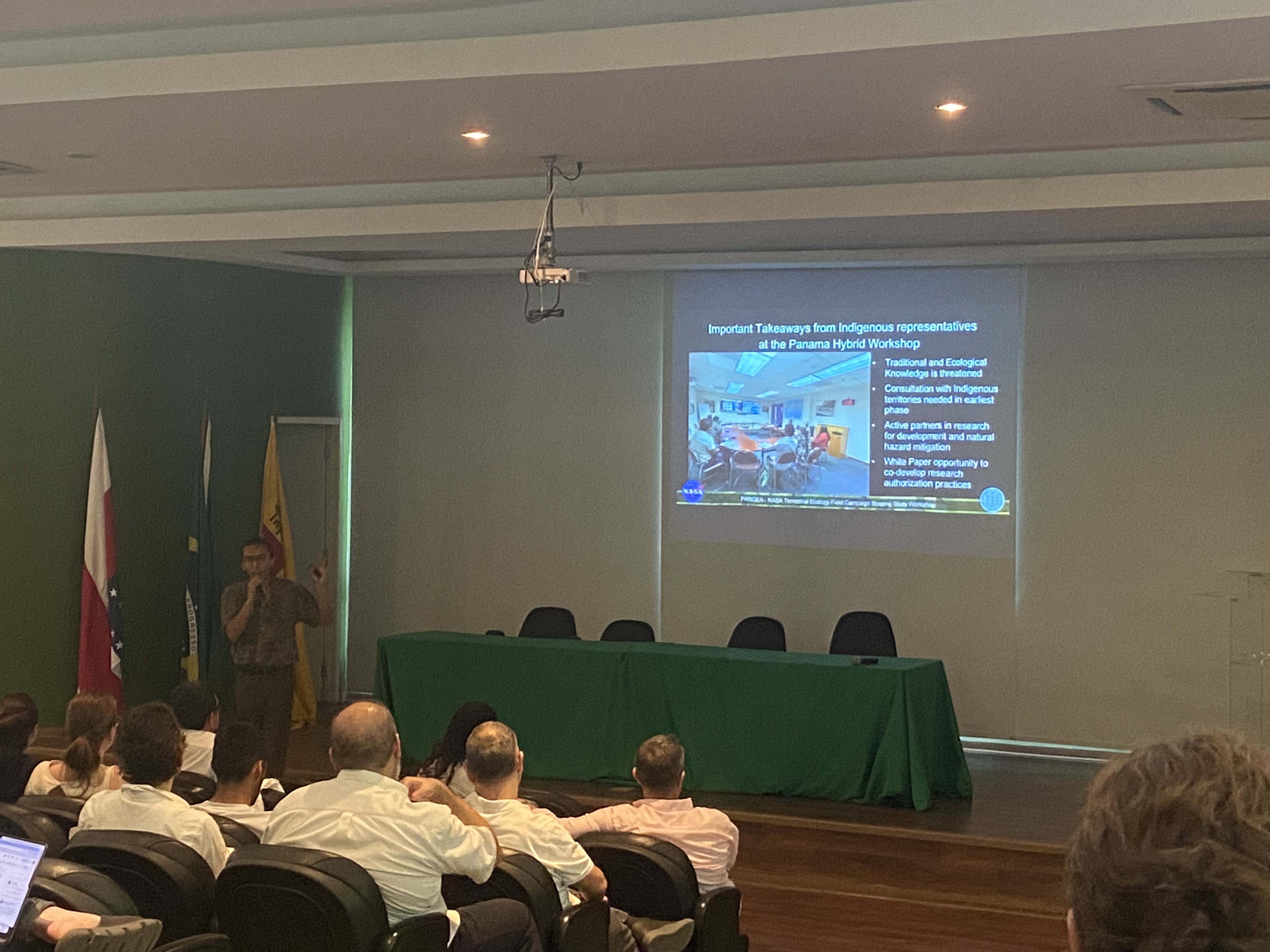
The workshop sessions presented the state of knowledge of climate and atmospheric research in the Amazon, with special sessions dedicated to engagement with local, traditional, and Indigenous communities. The Amazon forest has been susceptible to unprecedented conditions motivating a need for research on the effects of atmospheric warming and land cover/land use change. Large-scale studies can leverage emerging technologies like remote sensing and Artificial Intelligence, as well as cross-institutional collaboration with international expertise, to promote innovation in future Amazon research. The workshop highlighted the enhancement of research and fellowship exchanges between the USA and Brazil as a significant opportunity. These programs, such as faculty sabbaticals, graduate student fellowships, and research technician assistantships, provide hands-on experience, fostering research skills and cross-cultural competencies. Such exchanges build lasting partnerships, enhance research capacity, and address global challenges like climate change through collaborative efforts. Securing funding for these exchanges is crucial for developing research capacity and supporting the next generation of scholars. The PANGEA Scoping Campaign exemplifies a cooperative framework involving NASA and global partners to develop scientific and technological research capacity. PANGEA team members including Elsa Ordway, Michael Keller, Isaac Aguilar, Marcos Longo, and Mateus Nunes presented at various sessions and connected with diverse perspectives at the workshop organized by Jose Fuentes.
The workshop agenda, presentation materials, and summary can be accessed on the Past Activities section of the Scoping Activities page.
PANGEA DC Workshop
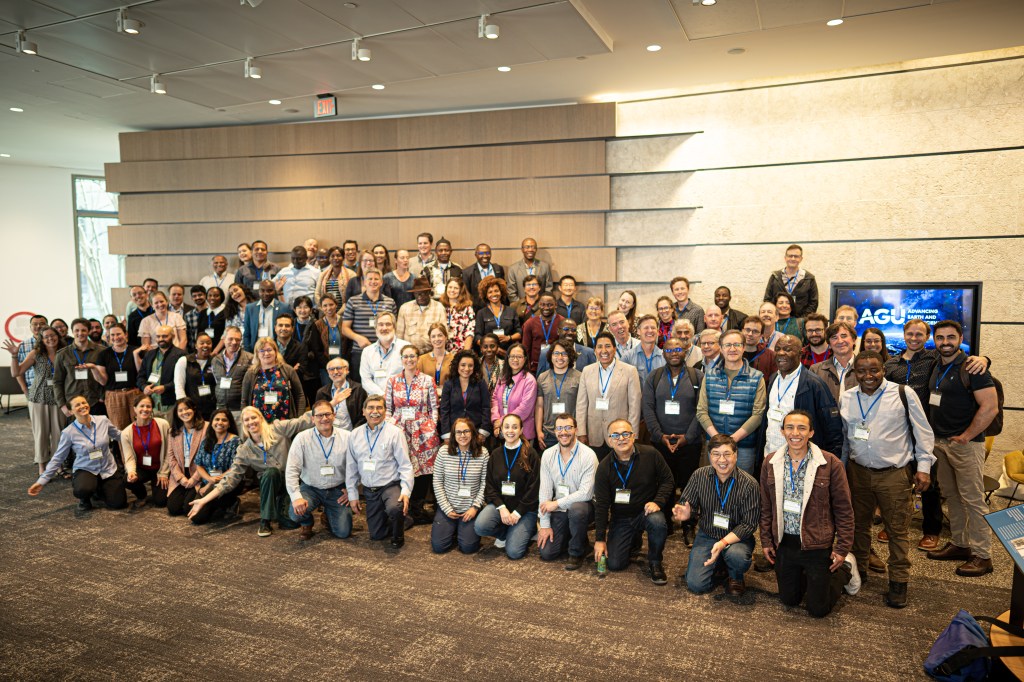
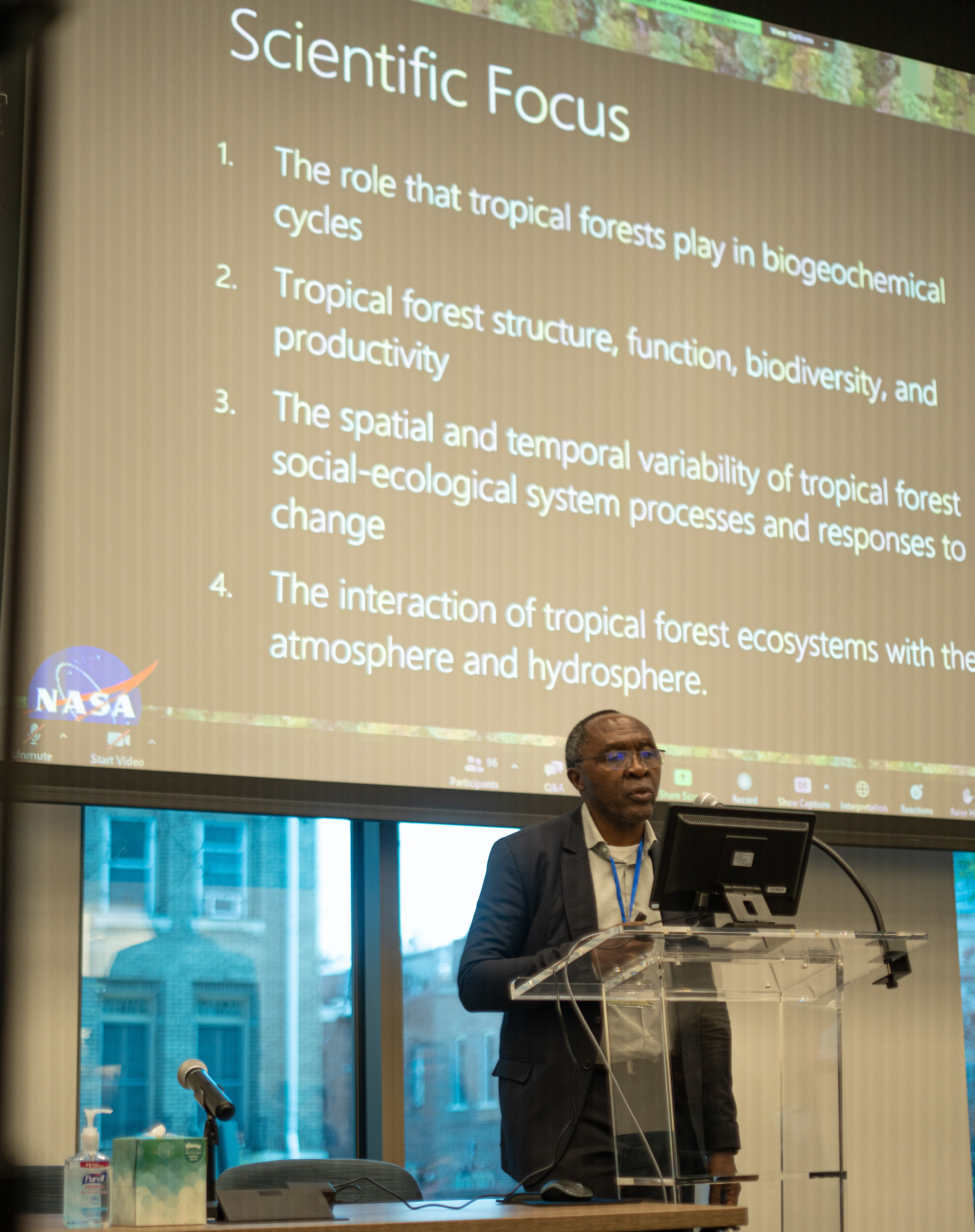
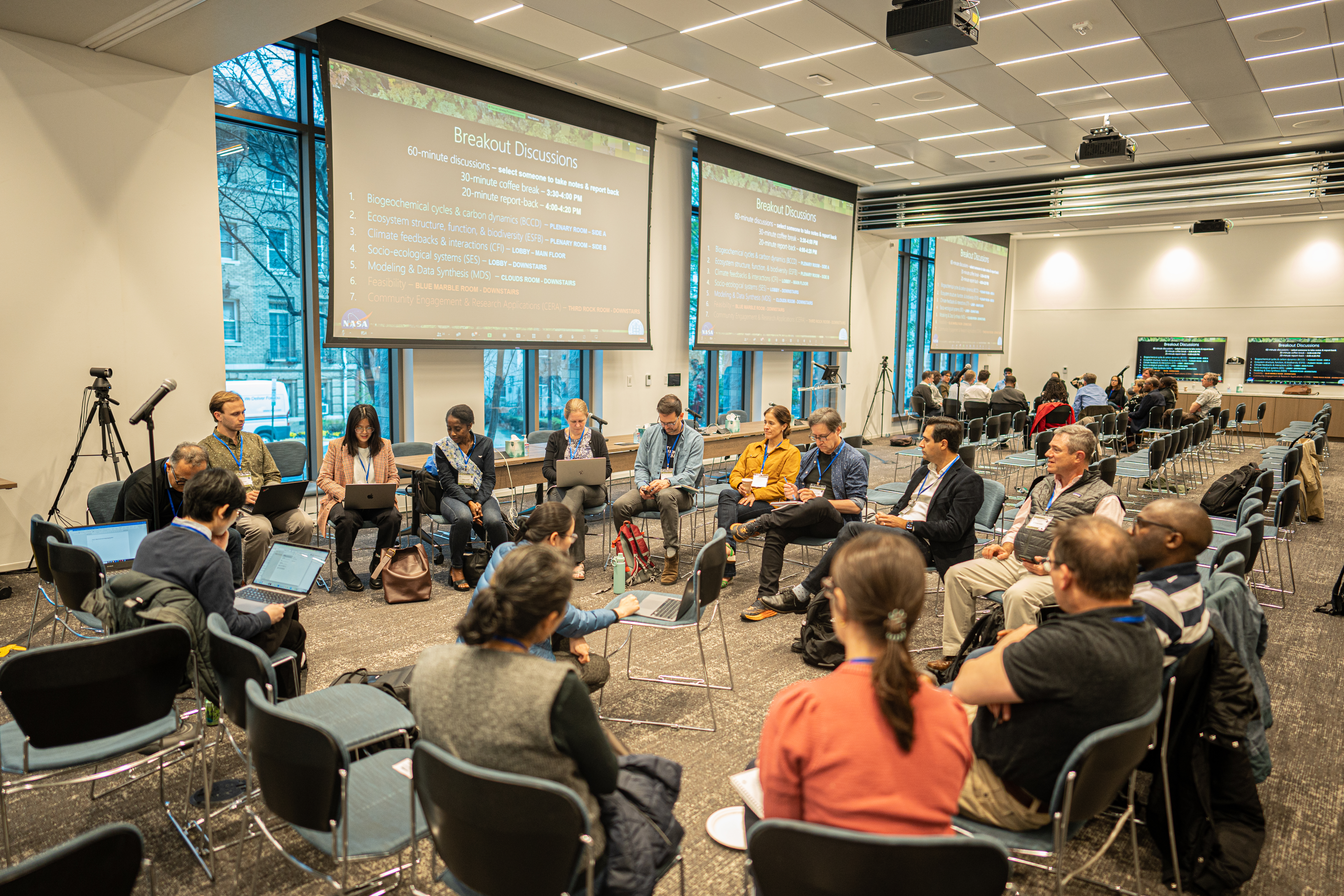
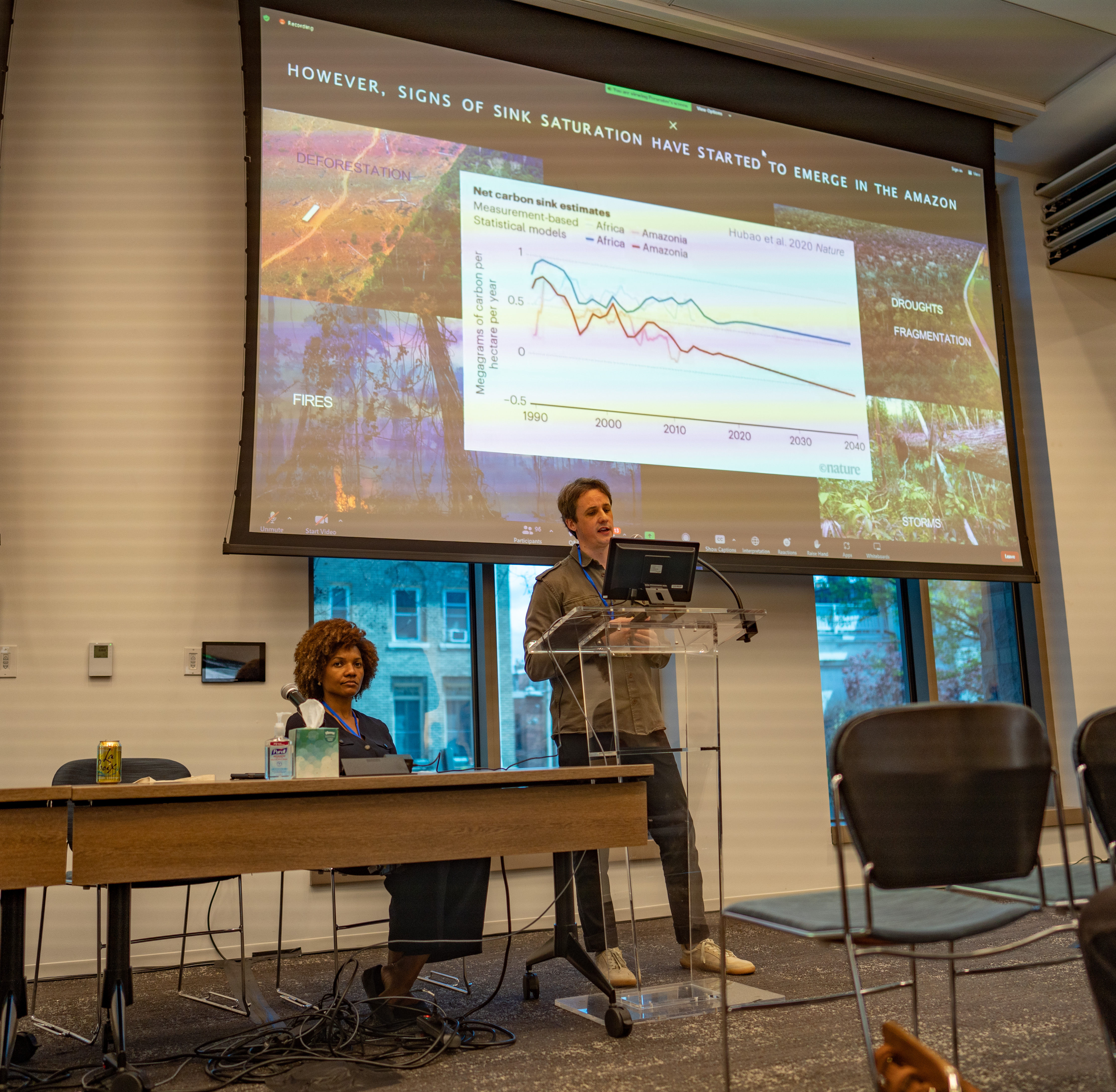
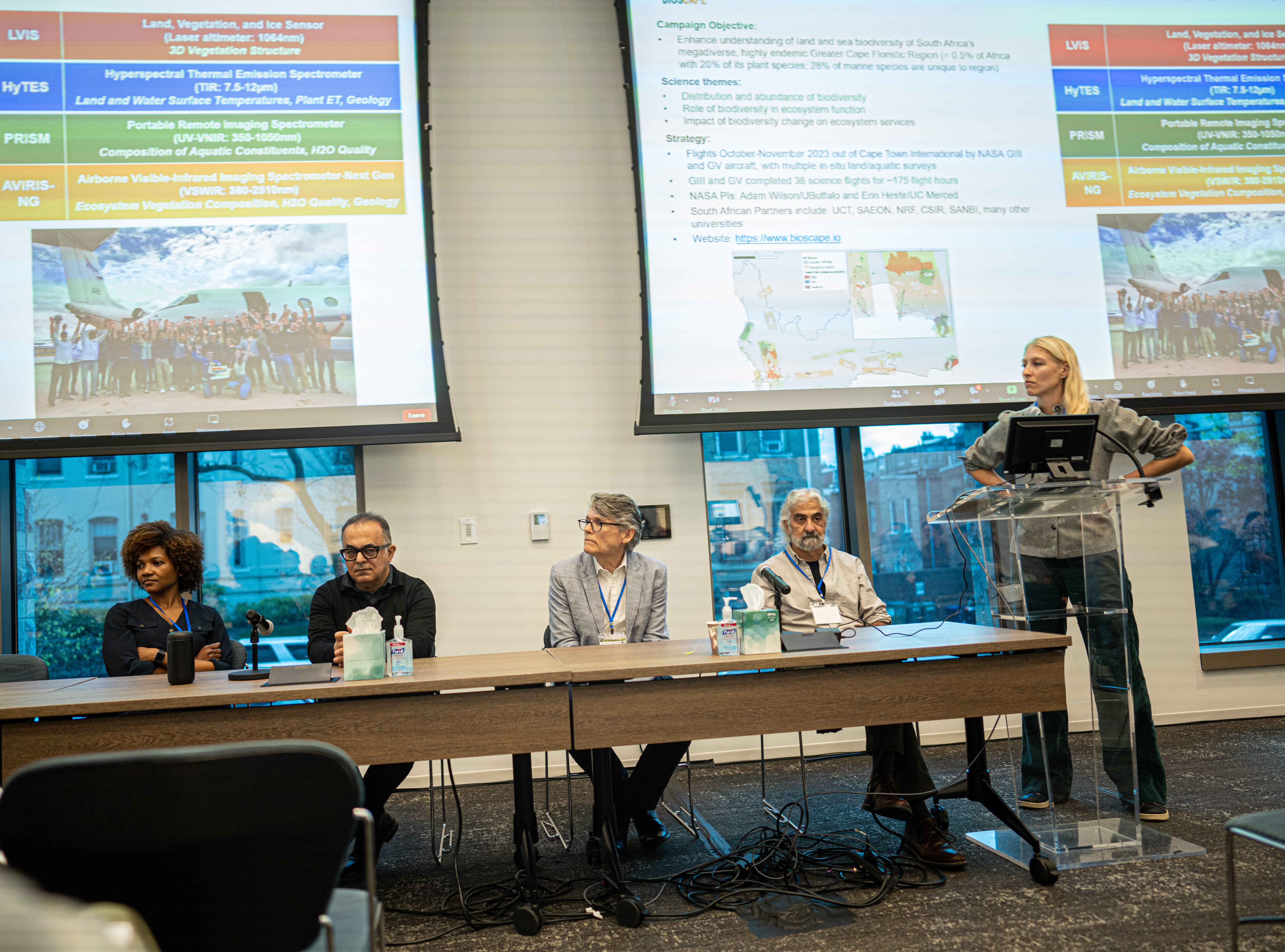
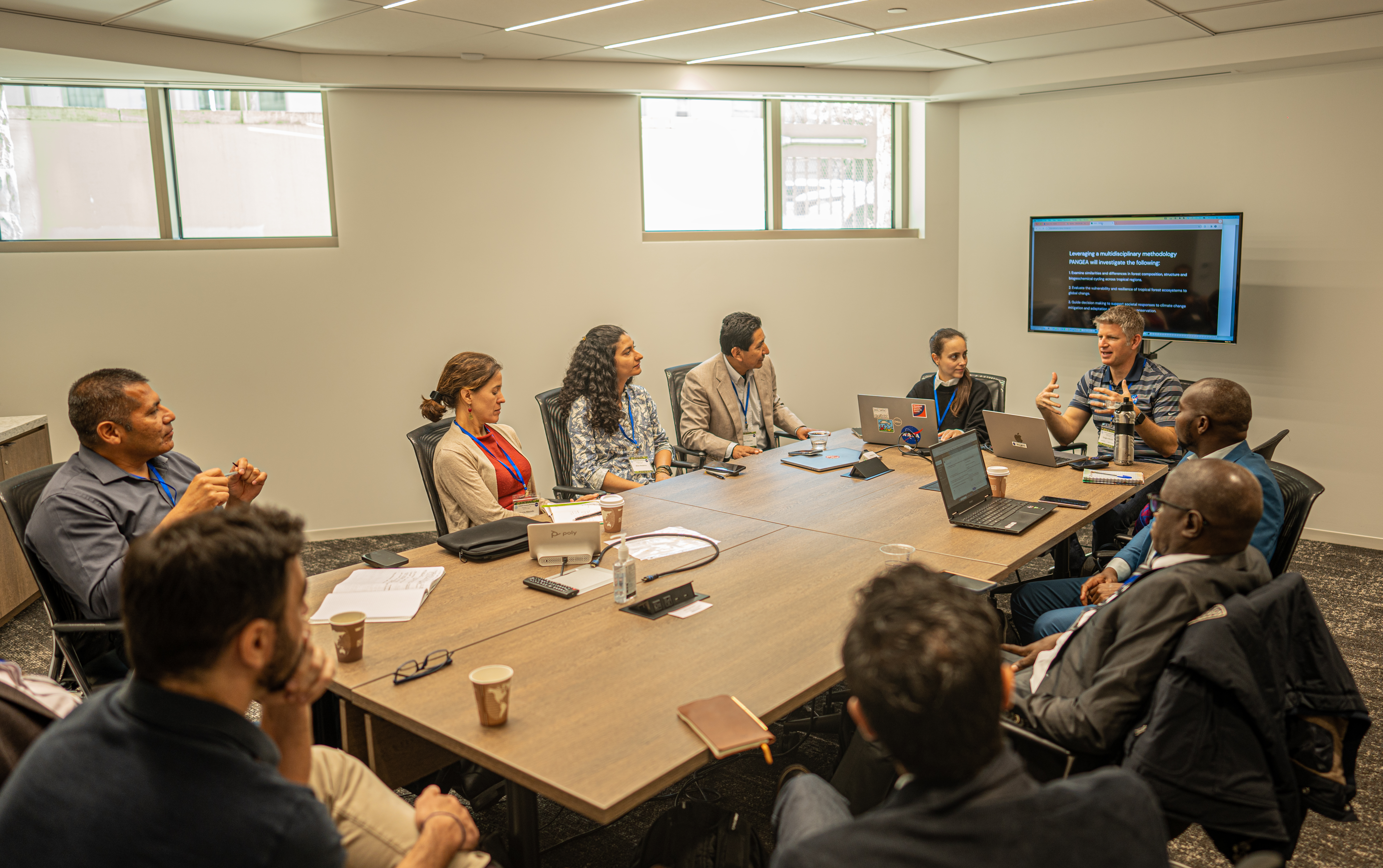
The PANGEA DC Scoping Workshop took place from April 9-11, 2024, in Washington, D.C. It was a hybrid event in English with simultaneous translation available in French, Spanish, and Portuguese attended by 106 registered in-person participants convening at the AGU Convention Center and 303 registered virtual attendees. The in-person workshop drew representatives from 19 countries across pantropical regions, including Australia, Belgium, Brazil, Cameroon, China, Colombia, the Democratic Republic of Congo, Ecuador, Gabon, India, Mexico, Panama, Peru, Puerto Rico, the Republic of Congo, South Africa, and Uganda. Additionally, representatives from research institutions in the United States, UK, and Belgium were present. In total, over 400 participants from 36 countries engaged in the hybrid session activities, advancing the PANGEA scoping campaign toward the White Paper writing phase.
The agenda featured a blend of presentations from leaders of past NASA campaigns (like ABOVE, LBA), ongoing NASA air- and space-borne missions (such as EMIT, NISAR, and GEDI), and collaborative research partners (like GEO-TREES and NGEE-Tropics). These presentations aimed to brief participants on the objectives of the PANGEA scoping process. The PANGEA Working Group leads provided an initial update on progress, highlighting input from over 300 members to craft guiding questions, identify key research gaps, and make headway in defining PANGEA science themes. Other session activities included focused discussions on capacity building strategies, engagement of students and early-career professionals, identification of funding sources, and best practices for information gathering and community engagement.
The workshop agenda, presentation materials, and recordings can be accessed on the Past Activities section of the Scoping Activities page.


Media Coverage
ioes.ucla.edu
UCLA Center for Tropical Research June 2024 Newsletter featuring the PANGEA Scoping Campaign and DC Workshop
View Story – 06.2024
PANGEA Cameroon Workshop
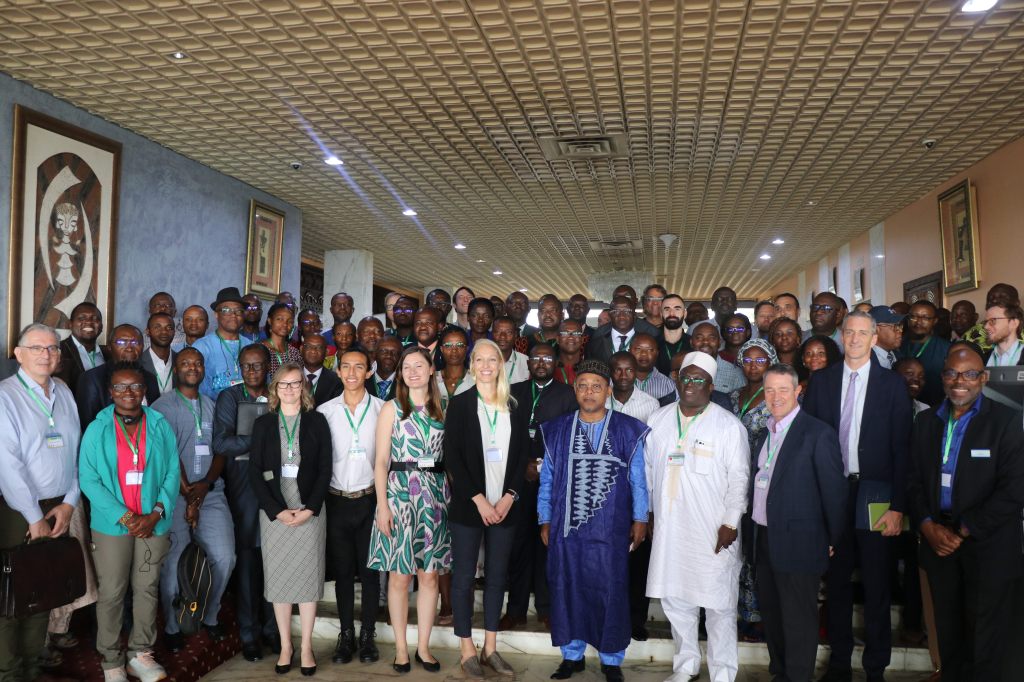
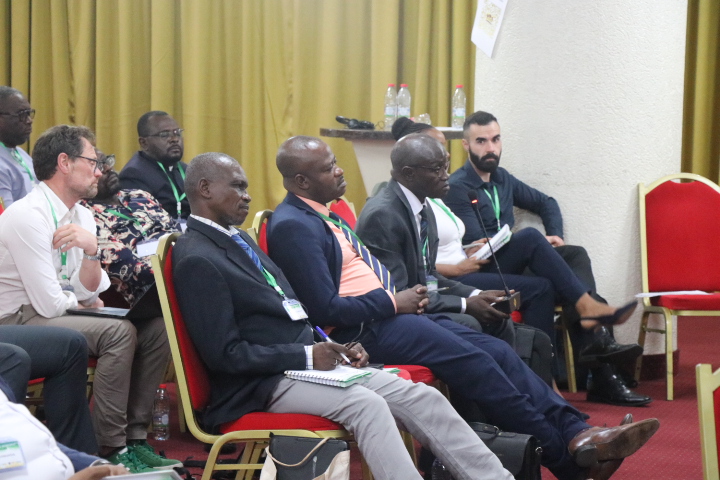
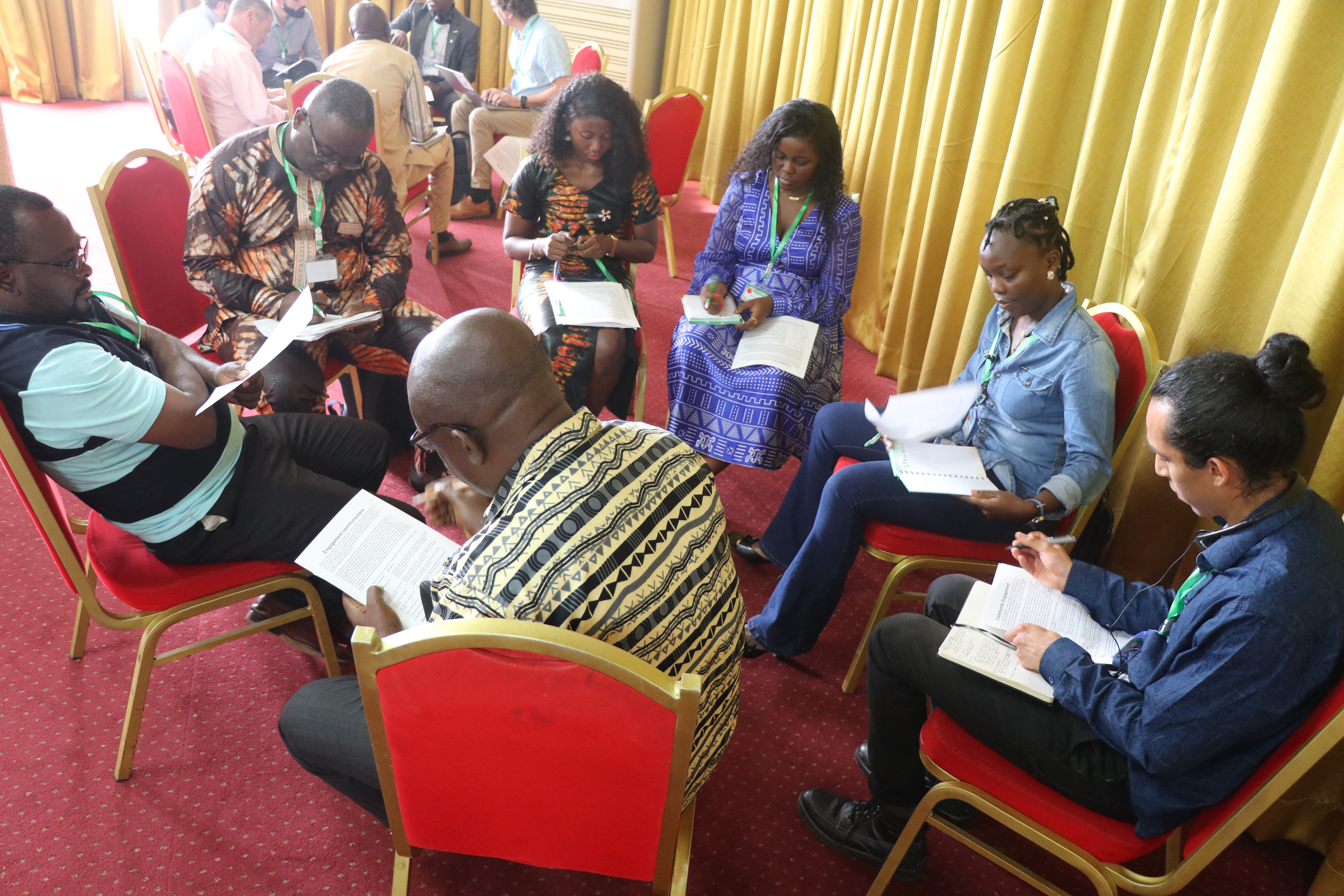
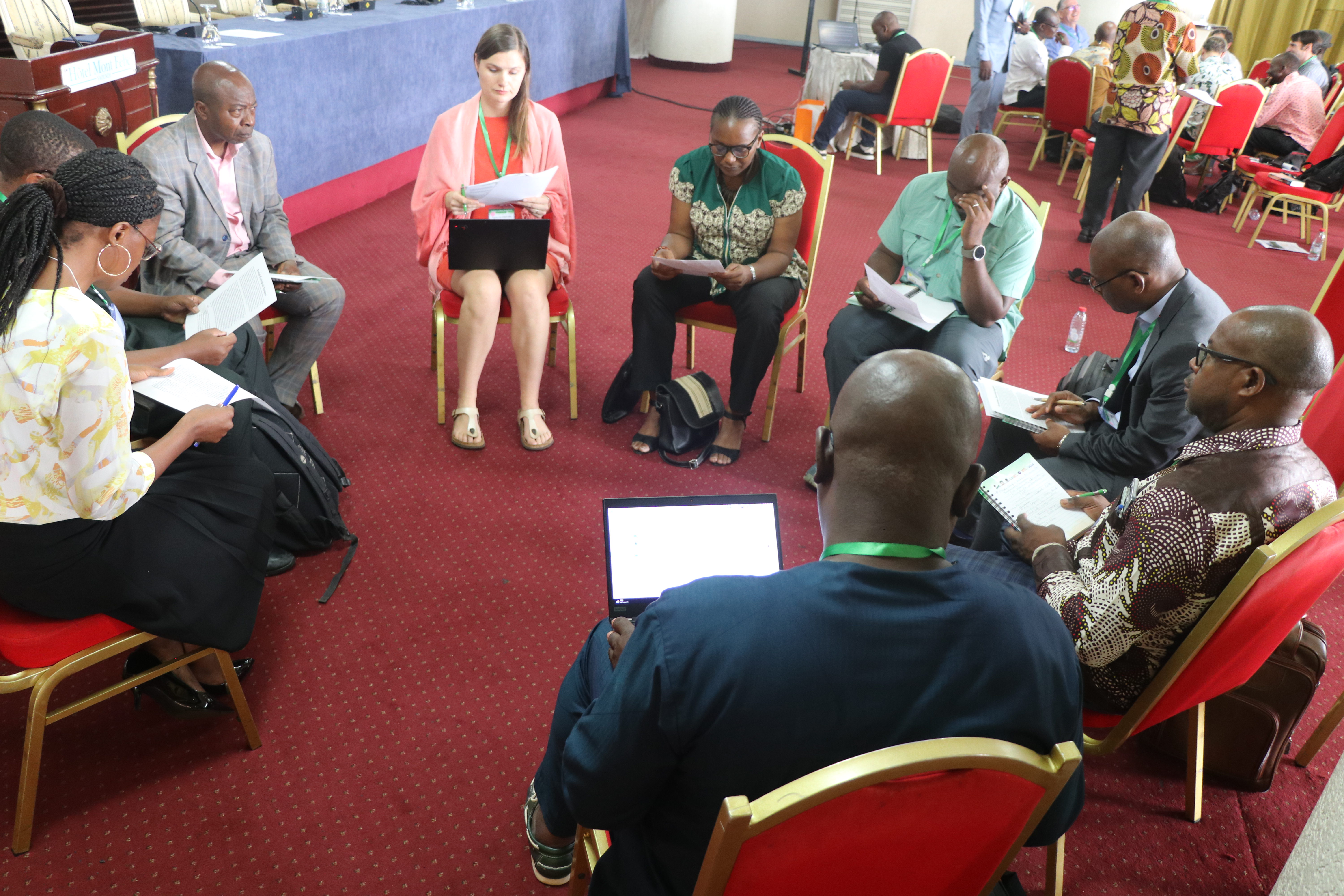
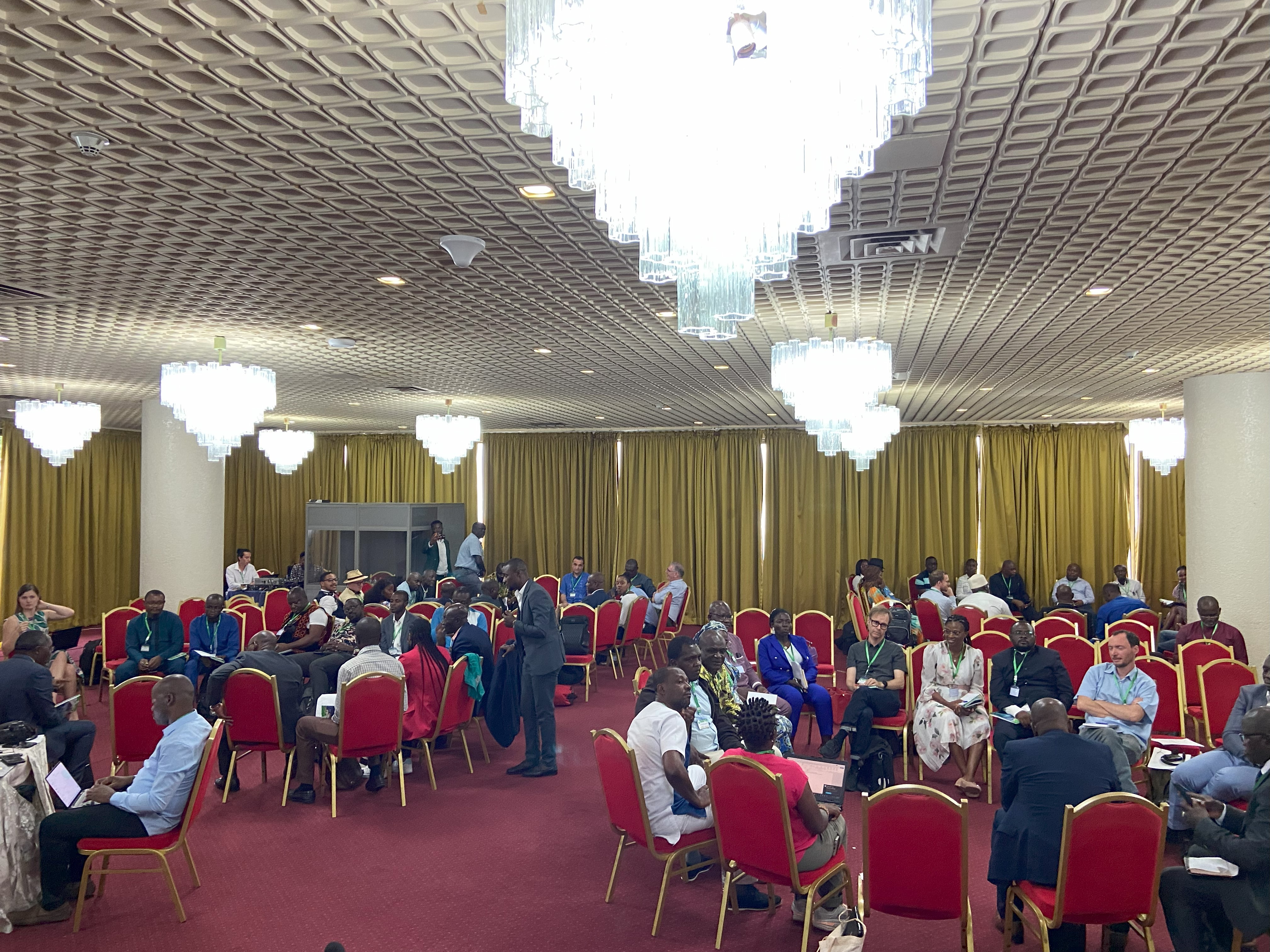
The PANGEA Workshop from 21-22 of February in Yaoundé, Cameroon convened leading experts in the field to foster discussions and gather input to delineate research questions and objectives for a potential pantropical field campaign. By bringing together esteemed researchers, scientists, and scholars from around the world, the workshop aimed to stimulate engaging discussions, share cutting-edge insights, and gather essential feedback to shape the strategic direction of tropical research and conservation efforts. Throughout the event, participants exchanged ideas, proposed innovative methodologies, and identified emerging trends within the domain of tropical terrestrial ecology.
Key takeaways from the workshop include the importance of capitalizing on existing knowledge, improving biodiversity understanding, and standardizing data collection methodologies across basins for better comparability. Stakeholder involvement, including local communities, researchers, and funders, was emphasized, alongside the promotion of capacity building, collaboration, and regional exchanges. Challenges related to funding, supervision, and community involvement were addressed, with an emphasis on achieving outcomes such as high-quality data production, skills transfer, and community engagement. The workshop laid the groundwork for fostering interdisciplinary collaborations, forging research partnerships, and driving transformative initiatives aimed at addressing pressing environmental challenges and biodiversity conservation efforts in tropical regions worldwide.
A copy of slides and recordings from the presentations are available here.


Media Coverage
Downtoearth.org
Down To Earth speaks to Elsa Ordway from UCLA about a 10-year study on the ecology of tropical forests in the Congo Basin and other parts of the world
View Story – 03.02.2024
Long-term study to explore biodiversity, gas exchanges and bio-geoscience cycles on a pan-tropical scale, train future researchers
View Story – 02.27.2024
USFScentralafrica.org
Strengthening Resilience to Environmental Challenges: PANGEA Consultation Workshop
View Story – 04.18.2024
Newsroom.UCLA.edu
UCLA Magazine Cover Story: The Promise of Cameroon
View Story – 06.18.2024
AGU Annual Meeting 2024
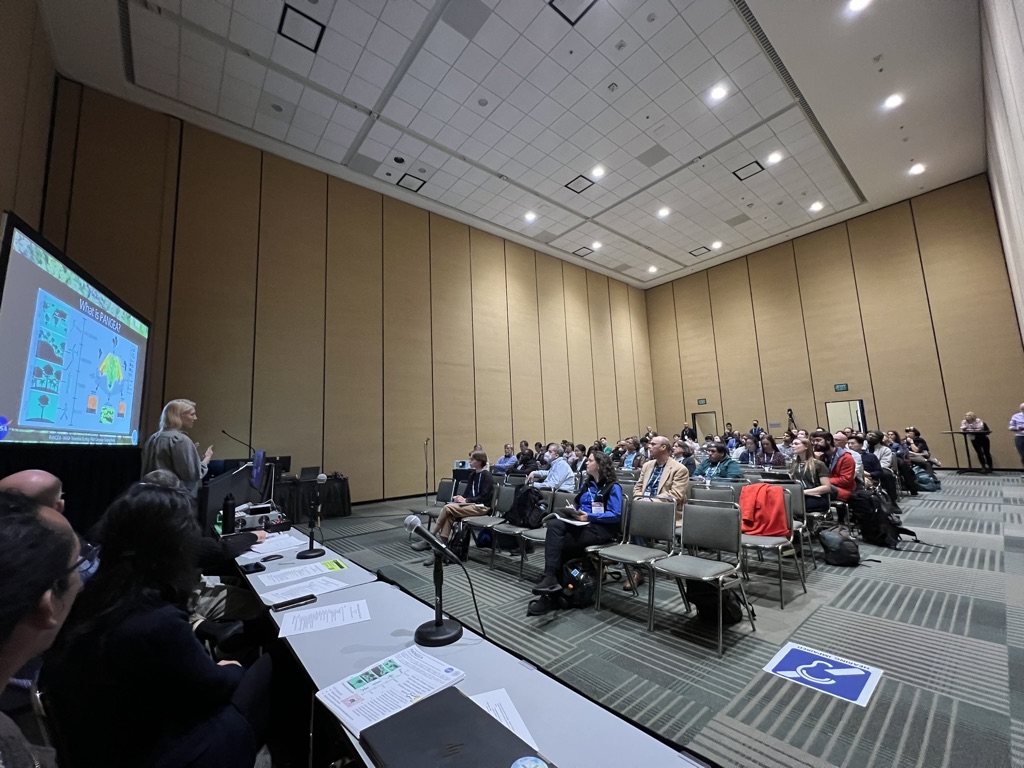
PANGEA had a strong presence at the AGU Annual Meeting in San Francisco, CA! The Town Hall event on Monday, Dec 11 was well-attended by scientists interested in learning about the scoping process, early campaign concept, and planned activities that will take place in 2024. The PANGEA Principal Investigator, Dr. Elsa Ordway, initiated the session with an introduction to the PANGEA scoping process and objectives while emphasizing the importance of input from diverse backgrounds and experiences across career stages in the early phases of PANGEA. Following the presentation, NASA Terrestrial Ecology Program Manager Hank Margolis shared insight on the motivations of NASA decadal campaigns and selection process. The Town Hall also heard from Chip Miller (NASA) and Michael Keller (USFS/USDA) about previous NASA TE Field Campaigns like the Arctic-Boreal Vulnerability Experiment (ABOVE) and the Large-scale Biosphere-Atmosphere Experiment in Amazonia (LBA). Additionally, experts from NASA Jet Propulsion Laboratory Junjie Liu and Dana Chadwick emphasized the importance of researching the variation of tropical forest responses to a changing climate and how recent advancements in aerial and space-borne technologies can scale alongside field-based measurements to elucidate complex changes in global tropical forests. Attendees were invited to share their input and remarks during a Question and Answer session at the end of the Town Hall where many were excited to recognize the potential of a large-scale pan-tropical research campaign. After the event, many interested participants came by the PANGEA “Pod” in the main exhibition hall to meet with the PANGEA team, network with other interested participants, and sign up to join a working group. Thank you for attending!
 PANGEA